
Published: 26/04/2025

How the ULEZ Expansion and Green Zones Are Affecting London Property Prices
London is one of the most dynamic property markets in the world, constantly shaped by shifts in policy, infrastructure, and lifestyle preferences. In recent years, one of the most significant developments impacting real estate trends has been the expansion of the Ultra Low Emission Zone (ULEZ) and the growing emphasis on green zones across the city. While designed to reduce pollution and improve public health, these changes have brought with them a wave of effects — some predictable, others more surprising — on property prices, buyer behavior, and long-term investment value.
In this in-depth article, we explore how the ULEZ expansion is reshaping London’s property market in 2025, the rise of eco-conscious property preferences, and the opportunities and challenges for buyers, homeowners, and investors.
Understanding ULEZ and Green Zones in London
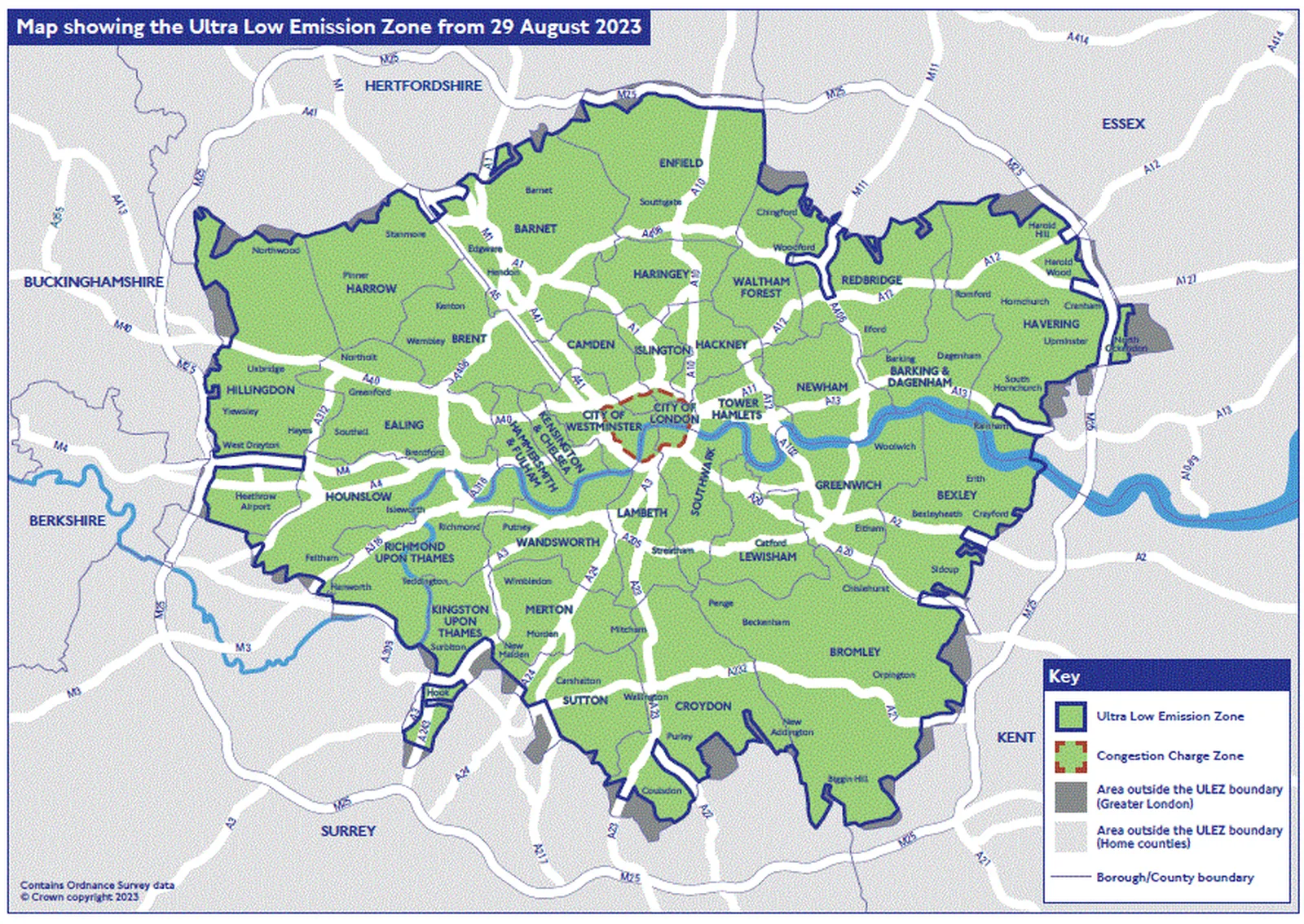
The Ultra Low Emission Zone (ULEZ) is a designated area within which vehicles must meet strict emissions standards or pay a daily charge to enter. First introduced in 2019 within Central London, the zone expanded to cover all London boroughs in August 2023, dramatically increasing its reach. The goal is to reduce nitrogen dioxide emissions, improve air quality, and nudge residents toward cleaner vehicles or alternative modes of transport.
ULEZ charges £12.50 per day for non-compliant cars, vans, and motorbikes, and the scheme is enforced 24/7, 365 days a year. Alongside ULEZ, the Low Emission Zone (LEZ) and other localized green initiatives — including congestion zones, car-free developments, and increased EV charging infrastructure — are reinforcing the capital's shift toward a greener, healthier urban model.
While these policies are environmental in nature, their ripple effects are being felt across the housing market — influencing how people buy, sell, and value real estate in London.
Key Ways ULEZ and Green Zones Are Impacting Property Prices
1. Growing Demand in Green-Lifestyle Neighborhoods
As air quality awareness rises, many buyers are prioritizing locations with low traffic, ample green space, and easy access to parks, cycling paths, and public transport. Boroughs such as Richmond upon Thames, Hampstead, Blackheath, and Dulwich are experiencing a rise in demand, not only due to their picturesque settings but also because they offer a lifestyle aligned with the green movement.
Buyers are paying a premium for cleaner air, walkability, and community gardens — and developers are responding by integrating more eco-friendly elements into new builds.
2. Diverging Trends in Outer Boroughs
The ULEZ expansion has had a mixed effect in outer boroughs like Croydon, Bexley, Harrow, and Enfield. On one hand, areas with robust transport links and modern infrastructure are seeing growth due to affordability and accessibility. On the other, neighborhoods with high concentrations of older vehicles, poor EV infrastructure, or inadequate public transport options are seeing a dip in buyer interest.
Buyers are more cautious, factoring in the cost of vehicle upgrades or daily ULEZ charges into their decision-making. This is especially true for tradespeople, delivery workers, and families with multiple vehicles.
3. Increased Value for EV-Friendly Properties
One of the most noticeable changes in buyer preferences is the growing demand for homes with private driveways, off-street parking, and electric vehicle (EV) charging points. As electric car ownership rises, especially among commuters and young professionals, properties that accommodate EVs are commanding higher prices and faster sales.
Developments that offer dedicated EV infrastructure are gaining momentum in places like Acton, Ealing, Stratford, and Wood Green, where new builds include smart green features.
4. Buyers Shifting Toward Public Transport Hubs
Since ULEZ increases the cost of daily driving, many Londoners are rethinking their car dependency. This shift is driving demand for homes within walking distance of Tube stations, Overground lines, and bus corridors, as well as for properties near Cycle Superhighways and walking routes.
Areas such as Finsbury Park, Walthamstow, Leytonstone, and Clapham are benefiting from this trend. Not only are they well-connected, but they also offer more affordable options compared to their Zone 1 counterparts.
5. Changes in Investor Strategy and Rental Yields
Buy-to-let landlords are also feeling the ULEZ effect. Some have opted to sell older properties in ULEZ zones where tenants may be burdened by vehicle costs. Others are investing in greener builds with smart energy features and EV access, which attract higher rents and longer-term tenants.
In addition, renters themselves are now asking questions about air quality, commuting costs, and sustainability when choosing homes. This shift in renter expectations is pushing investors to future-proof their portfolios.
Long-Term Outlook: Is ULEZ Helping or Hurting the Property Market?
In the long run, most experts agree that ULEZ is pushing the London market in a positive direction, creating a city that’s more sustainable, healthier, and aligned with global environmental goals.
However, short-term volatility is expected in neighborhoods that are slow to adapt or lack infrastructure. The areas that will thrive are those that combine transport connectivity, modern infrastructure, green credentials, and affordability.
For homeowners, making eco-friendly upgrades can help increase property value. For buyers and investors, this is the time to look beyond traditional hotspots and focus on resilience, convenience, and long-term sustainability.
Final Thoughts
The expansion of the ULEZ and the rise of green zones are not just urban planning tools — they are powerful forces reshaping the London real estate landscape. Whether you're buying a first home, investing in rental properties, or selling in a changing market, understanding the environmental and economic impact of these policies is crucial.
The smart move in 2025 isn’t just buying in the right postcode — it’s buying in the right kind of property in the right kind of neighborhood, one that is ready for London’s greener future.
Looking for property insights or help navigating the post-ULEZ market?
Get in touch with our team of London property experts for personalized advice tailored to your budget, lifestyle, and long-term goals.